


Creating a multilingual support team is essential for businesses aiming to thrive globally. It helps you connect with customers in their preferred language, increasing satisfaction, loyalty, and market reach. Here’s a quick breakdown of the process:
- Identify Language Needs: Analyze customer data to prioritize languages based on demand and business goals.
- Hire the Right Talent: Seek agents fluent in target languages and culturally aware, using structured assessments to evaluate skills.
- Train Your Team: Focus on language proficiency, cultural understanding, and technical skills with tailored programs.
- Leverage Technology: Use AI tools, translation software, and collaboration platforms to streamline multilingual support.
- Continuously Improve: Monitor performance metrics, gather customer feedback, and expand language coverage strategically.
Step 1: Evaluating Multilingual Support Requirements
Before you start building a multilingual support team, it’s crucial to understand the language needs of your customers and set performance goals that align with both their expectations and your business objectives.
Identifying Key Languages
Choosing which languages to support begins with a detailed analysis of your customer base and market potential. Some key factors to consider include:
- The languages your current customers speak and their support needs
- The size and economic potential of your target markets
- Patterns in digital engagement and website visitor preferences
- The volume of support requests in each language
By examining these areas, you can prioritize which languages to support, ensuring your investment matches actual market demand and business opportunities.
Setting Team Goals and Metrics
After identifying your target languages, it’s time to define clear goals and performance metrics. This ensures your team delivers consistent quality across all language segments. Focus on metrics that directly influence customer satisfaction and business outcomes.
Here are some examples of metrics to track:
| Metric Category | Target KPIs | Measurement Frequency |
|---|---|---|
| Response Time | Average response under 2 hours | Daily |
| Resolution Rate | 90% first-contact resolution | Weekly |
| Customer Satisfaction | CSAT score above 85% per language | Monthly |
“The first step in implementing robust multilingual support is identifying which of your customer bases need assistance in their native language.” – Smartling [1]
AI-powered tools can help you monitor customer interactions across languages, offering insights that guide hiring, training, and performance management. These insights will play a key role in shaping the next steps of building your multilingual support team.
Step 2: Hiring and Forming the Team
After defining the languages and objectives for your multilingual support team, the next step is bringing on board skilled agents who excel in both language proficiency and cultural understanding.
Hiring Multilingual Agents
Write clear job descriptions that highlight the required languages and fluency levels. To find the right talent, consider these recruitment channels:
| Channel | Purpose and Tips |
|---|---|
| Global Job Platforms | Use language-specific keywords to connect with international candidates. |
| Local Recruitment Agencies | Target native speakers in specific regions. |
| Language Testing Services | Ensure language skills are evaluated professionally. |
Structured assessments are essential for evaluating candidates. These can include:
- Written comprehension tests
- Speaking exercises
- Simulated customer interactions
- Evaluations of technical terminology knowledge
Assessing Cultural Awareness
Language skills alone aren’t enough – cultural understanding is equally important. You can gauge this through:
- Interviews featuring real-world scenarios
- Role-playing exercises
- Case studies that test cultural sensitivity
For remote teams, video interviews are especially useful for evaluating communication skills and cultural alignment. Companies like Amazon and Microsoft use this approach to screen remote candidates effectively [2].
Ideal candidates will have:
- Experience working in multicultural settings
- A track record of resolving cultural misunderstandings
- Flexibility to adapt to various cultural norms
- Familiarity with regional business practices
Hiring the right team sets the stage for providing responsive, culturally aware support across different markets. Once your team is in place, the next step is to equip them with the necessary training and tools to excel.
sbb-itb-50a8823
Step 3: Training and Managing Multilingual Agents
Developing Training Programs
Training multilingual agents effectively requires a focus on language skills, cultural understanding, and technical expertise. A structured program should address these areas:
| Training Component | Description |
|---|---|
| Language Skills | Help agents master technical terms through proficiency tests, writing exercises, and peer reviews. |
| Customer Service | Build problem-solving and empathy skills with role-playing, feedback sessions, and cultural sensitivity workshops. |
After training, regular performance reviews help ensure consistent quality in every language.
Measuring Performance in Different Languages
Tracking key performance indicators (KPIs) for each language is essential for improving service quality:
| Metric Type | What to Measure | Target Goals |
|---|---|---|
| Response Quality | Accuracy of translations and cultural relevance | 95% accuracy rate |
| Customer Satisfaction | CSAT scores and resolution rates by language | 85%+ satisfaction |
| Efficiency | Average handling time and first contact resolution rates | Under 15 minutes |
These metrics provide insights into areas that need improvement and help maintain high standards.
Tools for Multilingual Team Collaboration
To ensure smooth communication, multilingual teams need the right tools:
| Tool Category | Purpose |
|---|---|
| Translation Software | Facilitates real-time communication and minimizes misunderstandings. |
| Visual Communication Tools | Use charts and process maps to bridge language gaps. |
| Collaboration Platforms | Enable cross-language documentation and knowledge sharing. |
While AI can handle routine tasks, complex issues often require human agents who understand cultural nuances. Monthly feedback sessions with team managers can help refine processes and improve outcomes.
To keep operations aligned, establish clear guidelines like:
- Predefined multilingual response templates
- Regular cross-cultural training
- Documented best practices for each region
- Clear escalation procedures for language-specific challenges
Step 4: Using Technology for Multilingual Support
Technology is essential for scaling multilingual support effectively. The right tools help your team maintain consistent service quality across languages, regions, and time zones.
Integrating AI and Chatbots
AI-powered tools bring several advantages to multilingual support:
| Feature | Function | Benefit |
|---|---|---|
| Real-time Translation | Automatically translates customer inquiries | Speeds up responses in multiple languages |
| Intent Recognition | Identifies customer needs across languages | Ensures consistent service quality |
| Automated Routing | Routes queries to the right language experts | Boosts efficiency |
To make AI work effectively, train chatbots using diverse language datasets and keep a close eye on their performance. Assign skilled agents to handle complex or sensitive cases flagged by AI systems. Regularly updating algorithms with customer feedback ensures your service stays sharp and responsive.
While AI increases efficiency, it works best when paired with human expertise to handle nuanced situations, creating a balanced and seamless multilingual support system.
Using Managed Services Like ChatMetrics.com
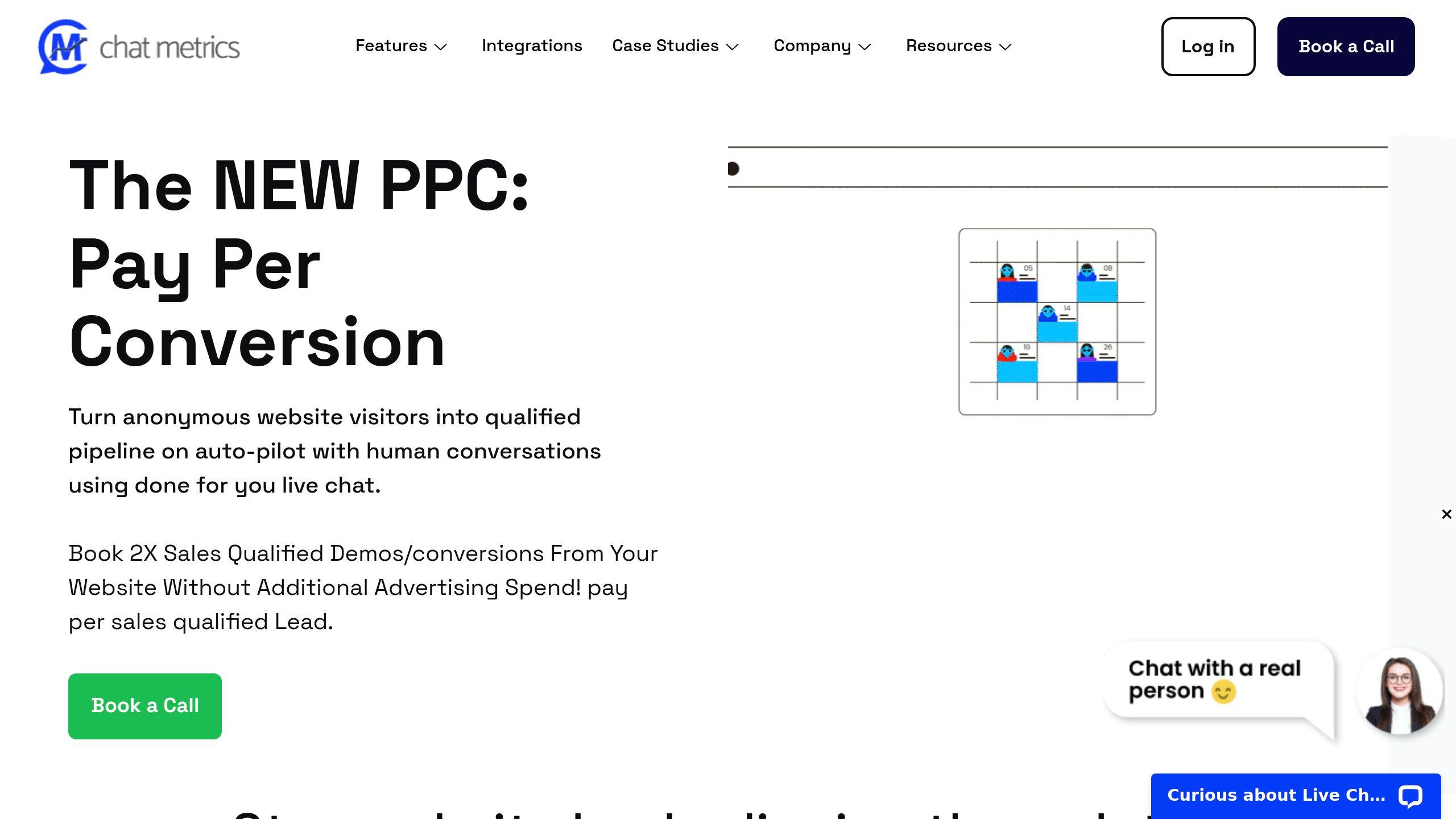
Managed services are a great option for businesses looking to provide well-rounded multilingual support. ChatMetrics.com, for instance, offers 24/7 live chat support in multiple languages, lead qualification, and CRM integration, making it easier to connect with global customers.
Key focus areas for implementation include:
- Integration Planning: Ensure the service integrates smoothly with your current workflows.
- Quality Monitoring: Regularly review chat transcripts to maintain service standards.
- Performance Metrics: Track response times and customer satisfaction to measure success.
- Continuous Improvement: Use insights from data to refine and optimize support processes.
Step 5: Improving and Expanding Multilingual Support
To meet changing customer expectations and successfully enter new markets, it’s important to refine and grow your multilingual support capabilities.
Analyzing Customer Feedback
Customer feedback is a powerful tool for improving service and making informed decisions about technology and staffing. Use methods like post-chat surveys for quick insights, support tickets to spot recurring issues, and customer reviews to track long-term satisfaction. Metrics like CSAT (Customer Satisfaction Score) and resolution rates can help identify areas that need attention.
Did you know that 80% of customers prefer interacting with companies in their native language [1]? To enhance service quality, focus on tracking language-specific CSAT scores, reviewing chat transcripts for communication challenges, and updating training programs to address common feedback themes.
By acting on customer insights, you can plan for new language support with confidence and precision.
Expanding Language Coverage
Testing new languages through pilot programs allows you to refine your approach and address potential issues before rolling out full-scale support.
“To ensure the success of multilingual contact centers, it’s essential to hire and train great talent.” – Foundever, 2024-06-24 [3]
Keep an eye on these performance metrics during expansion:
- Response times for each language
- Customer satisfaction scores by region
- Ticket resolution rates in different languages
- Results from cultural sensitivity assessments
- Agent performance in newly added languages
While AI tools are great for handling routine tasks, complex customer issues still require skilled agents who understand cultural nuances and can deliver personalized assistance.
Adding new languages isn’t just about increasing numbers – it’s about ensuring your support remains relevant, high-quality, and culturally aware as your team grows.
Conclusion: Building an Effective Multilingual Support Team
Creating a multilingual support team requires careful planning and a focus on long-term success. It’s not just about translating words – it’s about connecting with customers in a way that feels natural and builds trust.
Key Steps to Keep in Mind
Research from CSA shows that 72% of consumers are more likely to buy when information is in their native language [1]. This makes offering support in multiple languages a smart move for boosting sales and customer loyalty.
Here’s a quick look at the main components:
| Component | Key Focus Areas |
|---|---|
| Team Building & Training | Strong language skills, cultural knowledge, and effective communication |
| Technology | AI-powered tools, translation services, and performance tracking systems |
| Quality Assurance | Metrics tailored to each language and insights from customer feedback |
| Continuous Improvement | Regular evaluations and planning for future growth |
Final Thoughts
Multilingual support is about more than just language – it’s about strategy. As businesses expand globally, offering support in customers’ preferred languages is no longer optional. It’s a smart way to strengthen relationships, enter new markets, and stay ahead of the competition.
To succeed, combine skilled team members, advanced tools, and cultural understanding. This mix not only improves customer satisfaction but also helps your business grow and stand out in a crowded market.
Keep in mind that this is an ongoing process. Regularly assess your performance, listen to customer feedback, and adjust your approach as needed. A flexible and responsive strategy will help you tackle new challenges and seize opportunities as they arise.