

Personalized loyalty offers can significantly improve B2B customer retention by addressing individual client needs and boosting satisfaction, trust, and perceived value. These tailored programs help businesses retain clients, lower acquisition costs, and increase lifetime value. Here’s what you need to know:
- Why It Matters: Retaining customers is cheaper than acquiring new ones and ensures long-term revenue growth.
- How It Works: Use customer data (e.g., purchase history, feedback) to craft rewards that align with specific goals and challenges.
Key Benefits:
- Higher engagement and satisfaction
- Increased purchase frequency and account growth
- Competitive differentiation through proactive, tailored solutions
Tools and Strategies:
- Leverage CRM systems and AI for data-driven personalization.
- Combine automation for consistency with surprise rewards for emotional connection.
- Regularly track metrics like retention rates, reward redemption, and ROI.
B2B Loyalty Program Best Practices
Advantages of Personalized Loyalty Offers
Boosting Engagement and Satisfaction
Personalized loyalty offers help B2B companies connect with their customers by addressing specific challenges and preferences. Research from IncentivAction shows that businesses using tailored loyalty strategies see stronger engagement and build better customer relationships [2]. This approach shows clients that their unique needs are understood and valued.
Success comes from offering rewards that align with a customer’s business goals. Loyalty programs that provide industry-specific solutions and benefits based on company size and requirements encourage customers to stay engaged and participate actively over time.
Increasing Customer Lifetime Value
Tailored experiences often lead to higher spending and retention. A report from Qualtrics highlights that businesses customizing their loyalty programs to meet individual customer needs tend to retain clients more effectively than those using generic approaches [1].
| Impact Area | Benefit to Business |
|---|---|
| Customer Retention | Builds longer-term relationships |
| Purchase Frequency | Encourages repeat purchases |
| Account Growth | Promotes expanded use of services offered |
Standing Out in Competitive Markets
In a crowded B2B landscape, personalized loyalty offers can set a company apart. According to Touchpoint‘s research, businesses that prioritize tailored experiences earn greater trust and loyalty from their clients [4]. This approach allows companies to focus on value rather than competing solely on price.
Using customer data to anticipate needs and offer solutions proactively makes a significant impact. It strengthens partnerships and differentiates businesses from competitors. Tools like modern CRM systems and AI technologies make it easier to personalize loyalty programs, helping companies deliver unique value and foster stronger client relationships.
Steps to Create Personalized Loyalty Programs
Using Customer Data to Personalize Offers
Customer data like purchase history, feedback, and interactions can uncover patterns that lead to tailored rewards. By using CRM systems, businesses can segment customers based on their behaviors and engagement levels, turning raw data into actionable insights.
| Data Source | Insights Generated | Personalization Opportunity |
|---|---|---|
| Purchase History | Buying trends and frequency | Rewards based on purchase volume |
| Interaction Data | Preferred communication channels | Customized outreach strategies |
| Feedback Surveys | Pain points and satisfaction levels | Solutions tailored to specific needs |
Once the data is organized, tools like automation and AI help scale these personalized efforts efficiently.
Applying Automation and AI for Personalization
AI-driven systems make it possible to deliver real-time, tailored experiences. These technologies analyze customer behavior and automatically trigger offers tied to actions or milestones. For example, machine learning can predict when a customer might leave and activate retention strategies before it happens.
Automation ensures offers are timely and relevant, creating a consistent experience while still feeling personal. However, blending automation with human oversight is crucial to keep customer relationships genuine and engaging.
Creating Surprise and Delight Campaigns
Automation handles consistency, but surprise rewards bring a personal, emotional touch to loyalty programs. These unexpected gestures create memorable experiences and strengthen customer connections. For B2B businesses, this could mean offering early access to new features, exclusive training, or priority support during busy times.
To make these rewards impactful, ensure they’re timely and align with customer needs. Striking a balance between predictable rewards and unexpected bonuses is key. While structured programs keep customers engaged, surprise elements add a layer of excitement and emotional connection, encouraging long-term loyalty.
These campaigns work alongside traditional loyalty efforts, adding a human element that deepens customer relationships.
sbb-itb-50a8823
Integrating Loyalty Offers with B2B Sales and Marketing
Connecting Loyalty Programs to CRM Systems
Linking loyalty programs with CRM systems brings customer data and rewards into one place. This setup simplifies reward tracking, ensures offers are targeted effectively, and creates a smoother, more consistent experience for customers.
| Integration Aspect | Business Impact | Customer Benefit |
|---|---|---|
| Data Centralization | Unified view of customer interactions | Consistent reward experience |
| Automated Tracking | Instant reward updates | Quick recognition of achievements |
| Behavior Insights | Better-targeted offers | Rewards that match preferences |
Improving Customer Experience Across Channels
Delivering a consistent experience across all platforms strengthens relationships and encourages repeat business. Today’s B2B buyers expect smooth interactions whether they’re using email, live chat, or mobile apps.
Research shows companies that engage regularly across multiple channels and gather feedback through surveys achieve an 82% retention rate, compared to just 44% for businesses with limited engagement [3]. Tools like ChatMetrics.com can play a key role here, providing real-time, personalized communication to enhance these strategies.
Case Study: Using Tools Like ChatMetrics.com
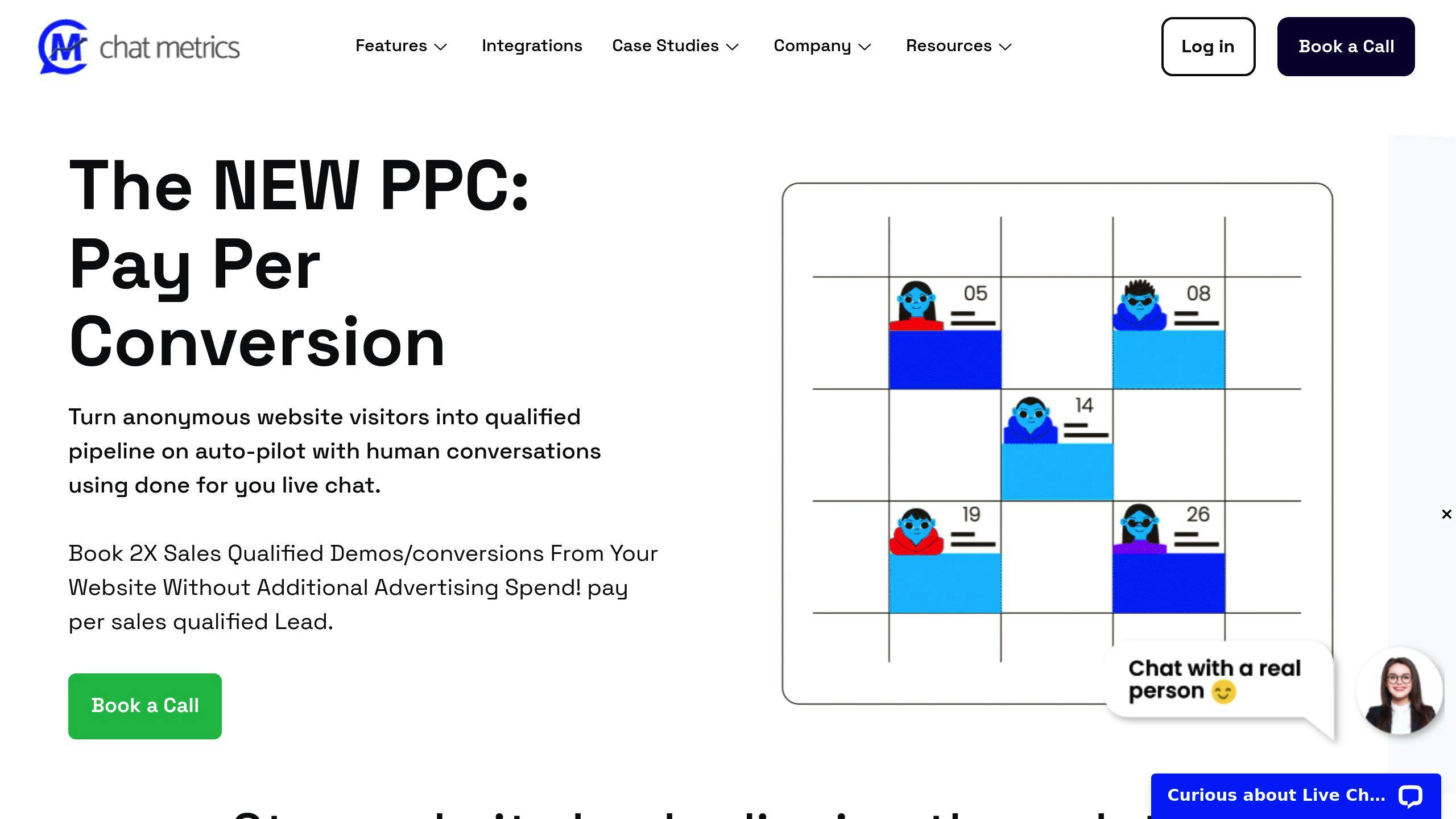
ChatMetrics.com demonstrates how real-time engagement tools can boost loyalty efforts. These platforms offer personalized interactions based on customer history, streamline CRM processes, and ensure rewards are delivered efficiently.
Tracking the Success of Loyalty Offers
Metrics to Measure Success
To assess how well your loyalty program is working, focus on key performance indicators (KPIs). These metrics reveal how effective your strategies are in keeping B2B clients engaged and encouraging repeat business.
| Metric Type | What to Track | Target Goal |
|---|---|---|
| Customer Retention | Year-over-year retention percentage | Show steady improvement |
| Purchase Behavior | Frequency and value of repeat orders | Increase each quarter |
| Program Engagement | Reward redemption rates | Boost monthly participation |
| Customer Value | Average revenue per account | Achieve annual growth |
While numbers tell part of the story, customer feedback adds context. It helps refine your approach and ensures your program aligns with client expectations.
Improving Programs with Customer Feedback
Tools like Qualtrics make it easier to gather and analyze feedback [1]. Regularly surveying clients – and acting on their input – can significantly improve retention. For example, B2B companies that conduct frequent surveys boast an 82% retention rate, compared to just 44% for those who only survey annually [3].
“Acting on feedback ensures customers remain engaged, even with frequent surveys.” – CustomerGauge [3]
By integrating customer feedback into your loyalty program, you can better meet client needs, which directly impacts program success and boosts your return on investment (ROI).
Calculating ROI for Loyalty Programs
To calculate ROI, compare the costs of running your loyalty program with the revenue it generates from loyal clients. Costs include platform fees, rewards, administrative tasks, and marketing. Revenue comes from increased purchase frequency, larger order sizes, longer client relationships, and referrals.
Personalized offers play a big role in driving these results. Tailored rewards encourage repeat business and strengthen relationships. Using AI and automation tools for data analysis can take this a step further by helping you target customers more precisely based on their behavior [2]. This approach ensures your loyalty program delivers maximum impact.
Conclusion: Strengthening Customer Relationships
Key Takeaways
Using data and technology to create personalized loyalty offers is crucial for driving growth in B2B markets. Businesses that focus on tailored loyalty programs and maintain open channels for customer feedback often achieve higher retention rates.
The effectiveness of these programs depends on three main factors: data-driven personalization, integration with current systems, and ongoing improvements based on performance metrics. When these factors align, businesses can build a loyalty system that not only meets but anticipates customer expectations.
| Factor | Role in Retention | Priority Level |
|---|---|---|
| Data-Driven Personalization | Delivers tailored solutions | Immediate |
| System Integration | Enhances customer experience | High |
| Continuous Feedback | Enables program adjustments | Ongoing |
By focusing on these core areas, companies can take meaningful steps to develop and refine loyalty initiatives.
Practical Steps for B2B Leaders
To get the most out of personalized loyalty programs, B2B leaders should prioritize strategies that deliver clear, measurable outcomes. Start with the basics and build a structured approach.
- Develop a data framework: Use analytics to understand customer behavior and design offers that truly connect with your audience. Tools like ChatMetrics.com can help improve customer interactions while offering useful insights for fine-tuning programs [2].
- Integrate with CRM systems: Ensure loyalty programs are seamlessly connected to your CRM for a smooth customer experience. This integration also supports the collection of feedback, making it easier to refine and personalize offerings.
- Define success metrics: Track indicators like retention rates, customer satisfaction, and ROI. Regularly reviewing these metrics alongside customer feedback ensures your loyalty program stays relevant and effective [1].
FAQs
How to build a B2B loyalty program?
Creating a B2B loyalty program involves blending several important elements to ensure success:
| Component | Description | Impact |
|---|---|---|
| Customer Segmentation | Categorize clients based on behavior and value | Enables tailored rewards |
| Data Integration | Sync loyalty data with CRM systems | Provides a unified customer view |
| Personalization Engine | Use AI and machine learning for targeted rewards | Boosts engagement |
| Feedback Mechanism | Track and refine program performance | Encourages ongoing improvement |
To build an effective program, focus on these key areas:
- Integrated Data and Technology: Leverage AI tools to analyze customer behavior and deliver rewards that feel tailored, all while ensuring smooth integration with your existing systems [2].
- Value-Focused Benefits: Offer perks that resonate with your audience, such as:
- Priority customer support
- Early access to new features
- Customized training opportunities
- Solutions tailored to their industry
- Performance Tracking: Regularly monitor results using key metrics and adjust the program based on feedback and performance data [1].
Consistent refinement and automation tools that handle personalization and communication are crucial for scaling your loyalty program efficiently [2].