

Behavioral sales intelligence tools help sales teams understand buyer intent through real-time data, predictive analytics, and personalized engagement strategies. These tools improve lead quality, sales efficiency, and revenue growth. Here’s a quick overview of the top platforms and their strengths:
- Sybill: Analyzes sales calls for actionable insights.
- ZoomInfo: Provides extensive B2B data for prospecting.
- LinkedIn Sales Navigator: Leverages network connections for social selling.
- Leadfeeder: Tracks website visitors and scores leads.
- ChatMetrics.com: Converts website traffic with live chat.
Quick Comparison
| Platform | Focus | Best Use Case |
|---|---|---|
| Sybill | Sales call analysis | Optimizing call performance |
| ZoomInfo | B2B data intelligence | Large-scale prospecting |
| LinkedIn Sales Navigator | Network insights | Social selling strategies |
| Leadfeeder | Website visitor tracking | Converting website traffic |
| ChatMetrics.com | Live chat lead generation | Engaging visitors in real-time |
Choose the right tool based on your team’s needs – whether it’s call optimization, data-driven prospecting, or converting web traffic. Keep reading for a deeper dive into features, integration tips, and implementation strategies.
7 Best Sales Intelligence Software Tools in 2024
Features of Behavioral Sales Intelligence Tools
Modern behavioral sales intelligence platforms turn raw data into sales insights that drive smarter decisions.
Tracking Buyer Intent in Real-Time
Top tools track digital behaviors across various channels to uncover buying signals. They analyze website activity, content interactions, email engagement, and even changes in technology usage to identify when a prospect might be ready to buy.
Scoring Leads with Predictive Analytics
These platforms use predictive analytics to evaluate leads based on multiple data points, helping sales teams prioritize their outreach:
| Data Category | Signals Analyzed | Impact on Score |
|---|---|---|
| Firmographic | Industry, company size, revenue | Assesses basic suitability |
| Behavioral | Page views, content downloads, demo requests | Reflects active interest |
| Engagement | Email opens, meeting attendance, call duration | Gauges readiness to engage |
| Technographic | Existing tech stack, recent tech changes | Shows compatibility with solutions |
For example, LinkedIn Sales Navigator leverages AI to predict which prospects are most likely to respond to outreach. Analyzing profile data and activity, it helps sales teams zero in on the best opportunities.
Analyzing Personalization and Engagement
Personalization features use intent data to create tailored sales strategies based on real actions, not guesses. Tools like Sybill take this further by analyzing sales call transcripts to pinpoint which product features resonate most with potential buyers. This enables sales teams to craft follow-ups that hit the mark.
Metrics such as page views, content downloads, email engagement, and chat interactions play a key role in shaping these personalized approaches.
These features are the backbone of the platforms covered in the comparison below.
Leading Behavioral Sales Intelligence Platforms
These tools bring the discussed features to life, each with its own unique approach:
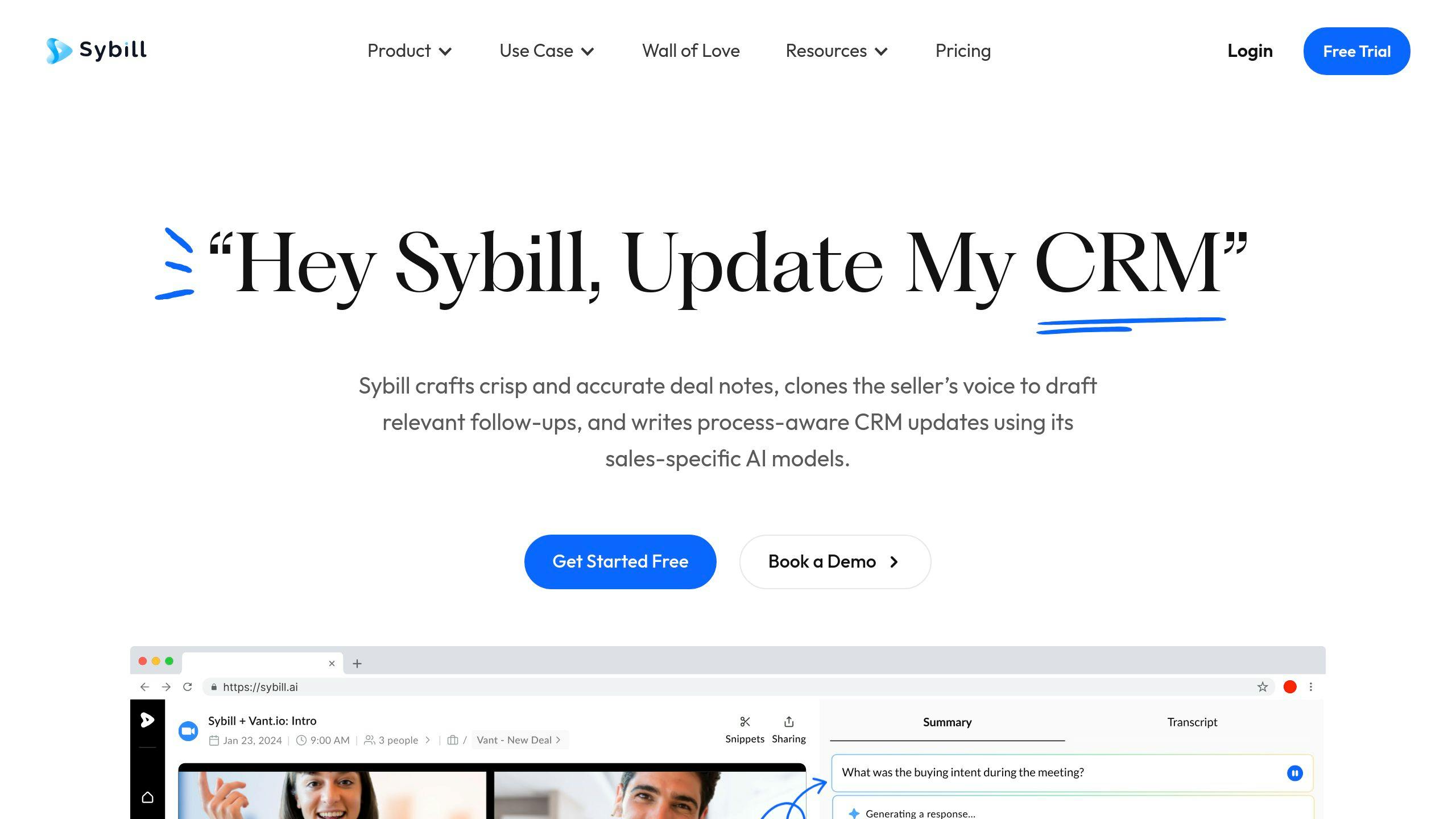
Sybill focuses on analyzing verbal and non-verbal cues during sales calls. By doing so, it provides AI-driven recommendations and integrates seamlessly with CRM systems, helping teams fine-tune their conversations.
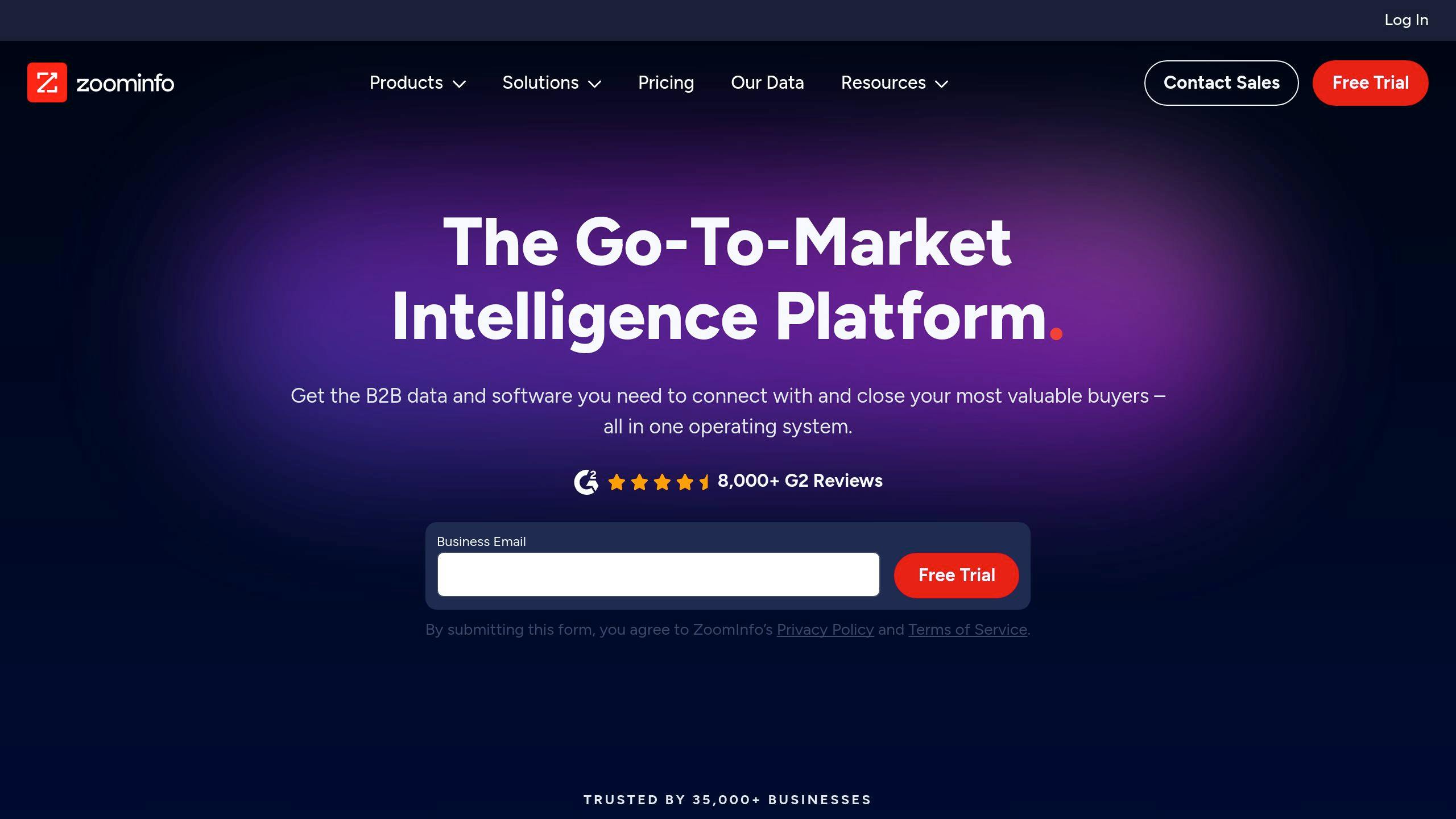
ZoomInfo is a well-known B2B intelligence platform, boasting a 4.3/5 rating from over 10,000 reviews on G2. Snowflake‘s use of ZoomInfo’s RevOS platform led to a 28% increase in qualified opportunities and a 40% boost in prospect research efficiency.
LinkedIn Sales Navigator taps into its vast professional network to enhance B2B prospecting. Features like TeamLink allow sales teams to leverage collective connections, while advanced search tools help pinpoint decision-makers based on factors like job changes or company growth.
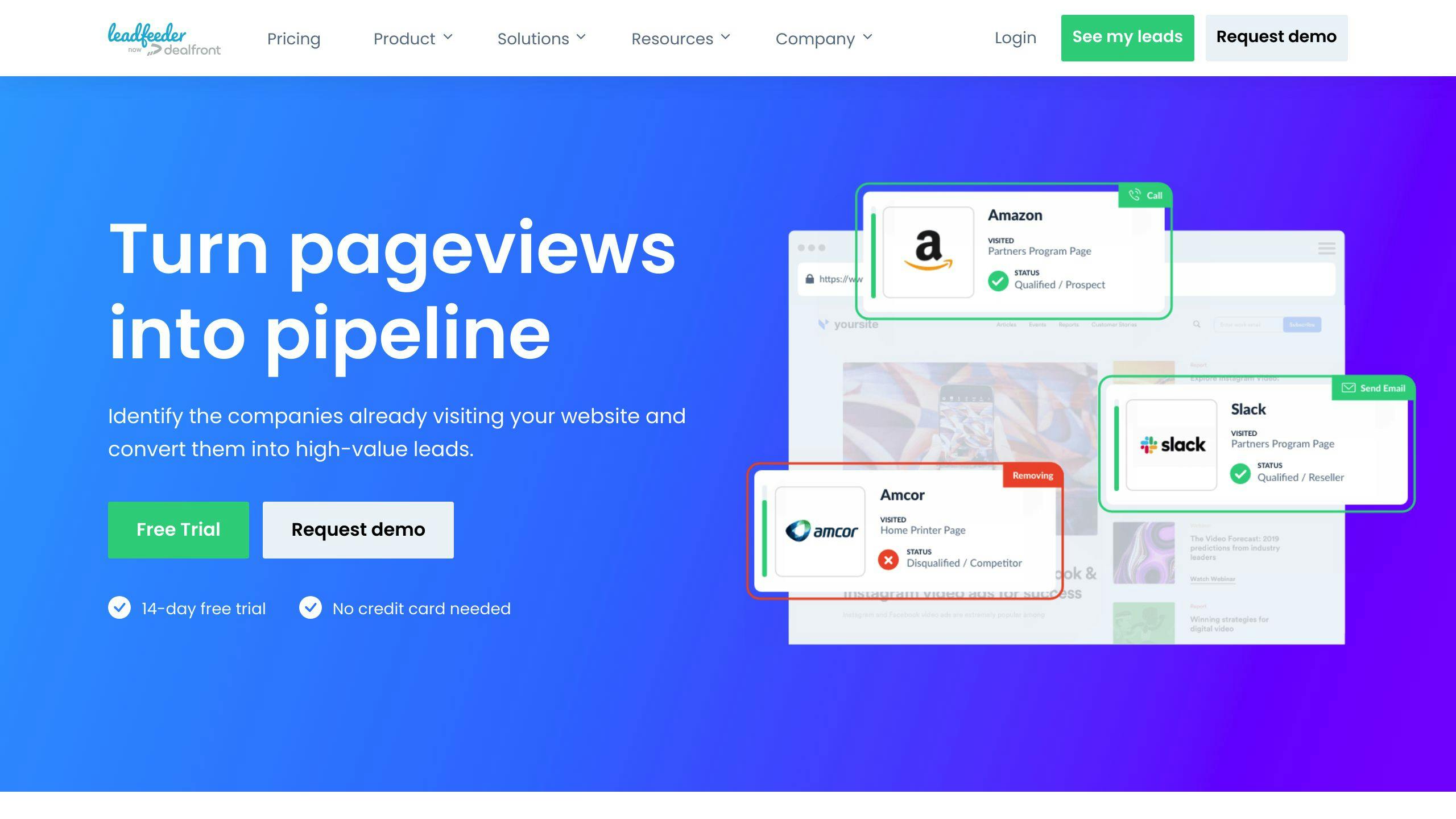
Leadfeeder identifies anonymous website visitors and monitors their engagement using Google Analytics. Its intent scoring system helps prioritize outreach, making it easier to focus on high-potential leads.
ChatMetrics.com stands out with its 24/7 live chat service, designed to turn website traffic into qualified B2B leads. Its pay-per-performance model ensures accountability, and it integrates directly with CRM systems to schedule meetings with sales-ready prospects.
Comparing Platforms
Here’s a quick comparison of these platforms to help you decide:
| Platform | Primary Strength | Best Use Case |
|---|---|---|
| Sybill | Sales Call Analysis | Teams optimizing call performance |
| ZoomInfo | Comprehensive B2B Data | Large-scale prospecting |
| Sales Navigator | Network Intelligence | Social selling strategies |
| Leadfeeder | Website Visitor Insights | Converting website traffic |
| ChatMetrics.com | Live Chat Lead Generation | Engaging visitors in real-time |
sbb-itb-50a8823
Comparing Behavioral Sales Intelligence Tools
Here’s a breakdown of key features across popular behavioral sales intelligence platforms, helping you align their strengths with your sales goals:
| Feature | Sybill | ZoomInfo | LinkedIn Sales Navigator | Leadfeeder | ChatMetrics.com |
|---|---|---|---|---|---|
| Focus | Video call analysis | B2B data intelligence | Network insights | Visitor tracking | Managed live chat |
| Data Accuracy | High for video | 4.3/5 G2 rating | LinkedIn verified | Real-time website | Human-verified leads |
| Integration Depth | Major CRM & video | Extensive ecosystem | CRM & custom API | CRM & marketing | Direct CRM booking |
| Predictive Analytics | Call analytics | Intent scoring | Network-based | Visitor scoring | Chat qualification |
| Best ROI Scenario | Virtual sales | Large prospecting | Social selling | Inbound leads | Website conversion |
| Pricing Model | Per user/month | Annual contract | Annual contract | Traffic-based | Performance-based |
Key differences to note:
- Data: ZoomInfo offers broad data coverage, LinkedIn ensures network-verified insights, while Sybill focuses on in-depth interaction analysis.
- Integrations: ZoomInfo provides a wide ecosystem, whereas ChatMetrics emphasizes CRM-specific functionality.
- Analytics: ZoomInfo excels in market trend analysis, LinkedIn shines with relationship insights, and Sybill specializes in call analytics.
For example, teams have reported benefits like a 68% faster qualification process when adopting tools that align with their sales workflows. Choosing the right tool depends on your team’s priorities: video-based selling (Sybill), data-driven prospecting (ZoomInfo), or real-time website conversion (ChatMetrics).
Implementing Behavioral Sales Intelligence
Selecting the right platform is important, but how you implement it determines the real return on investment (ROI).
Integrating with Existing Systems
Identify key integration points between your CRM and the platform you choose. Look for platforms that offer pre-built CRM connectors to simplify the process. For example, Salesforce users can benefit from ZoomInfo’s automated contact enrichment or ChatMetrics’ direct meeting booking features.
“Implementing behavioral sales intelligence is not just about adopting new technology; it’s about transforming your sales process to be more data-driven and customer-centric.” – Sarah Johnson, VP of Sales, TechCrunch, 2024 Sales Intelligence Report
Training Sales Teams
A strong training program is essential. Combine learning the tool’s features with real-world applications to maximize results. Here’s a suggested timeline:
| Training Component | Duration | Focus Areas |
|---|---|---|
| Tool Fundamentals | Week 1 | Basic navigation, core features |
| Advanced Features | Week 2 | Data interpretation, workflow integration |
| Practical Application | Weeks 3-4 | Real-world scenarios, best practices |
| Ongoing Support | Monthly | Skill refinement, updates training |
Teams typically see a 15-28% boost in efficiency within three months when training is paired with sales process integration. This also enhances the 68% faster lead qualification rates mentioned earlier.
Measuring Success and ROI
To ensure success, track these three key metrics:
- Lead Quality: Measure improvements in lead-to-opportunity conversion rates.
- Sales Efficiency: Look at shorter sales cycles and reduced time spent on prospecting.
- Revenue Growth: Track increases in average deal size and overall revenue.
Compare these metrics to your pre-implementation benchmarks to confirm ROI. According to the 2024 Salesforce State of Sales Report, 67% of sales leaders reported better win rates after adopting these solutions.
Conclusion
Key Takeaways
Behavioral sales intelligence tools have become a must-have for B2B sales teams, offering clear benefits like better lead quality and increased revenue. To get the most out of these tools, it’s crucial to integrate them smoothly with your CRM, train your team thoroughly, and monitor performance regularly. These tools work best when they fit naturally into your team’s current workflows, as shown by the platforms discussed earlier.
The most impactful platforms bring together several powerful features:
- Real-time intent tracking to respond to leads more quickly
- Predictive analytics to refine lead scoring
- Engagement analysis to craft more personalized outreach strategies
For successful implementation, focus on three key areas: CRM integration, team training, and ongoing performance tracking. When done right, these tools boost sales efficiency and support smarter customer engagement.