

Emotional intelligence (EI) is crucial for chat agents to connect with customers, solve problems effectively, and improve satisfaction. It involves self-awareness, self-regulation, empathy, social skills, and motivation – skills that help agents manage emotions and build trust with customers. In live chat, where tone and body language are missing, EI ensures agents can handle tough conversations and deliver personalized support.
Key Benefits of Emotional Intelligence for Chat Agents:
- Improved Customer Experience: Understand emotions, build rapport, and enhance satisfaction.
- Faster Problem Resolution: Identify issues and resolve them efficiently.
- Better Business Outcomes: Increase loyalty, conversions, and trust.
Practical Ways to Build EI:
- Empathy Training: Spot emotional cues in messages and respond with care.
- Self-Regulation Techniques: Use mindfulness and emotional check-ins to stay calm.
- Communication Skills: Mirror tone, use positive language, and practice active listening.
Tools and Techniques:
- Role-Playing: Practice real-world scenarios to improve responses.
- Feedback Systems: Track performance with AI tools and regular coaching.
- Ongoing Learning: Combine AI analysis with team workshops for continuous improvement.
By integrating emotional intelligence into training programs, businesses can empower agents to deliver high-quality, empathetic customer interactions that drive results.
Emotional Intelligence in Customer Service
Steps to Teach Emotional Intelligence to Chat Agents
Building Empathy in Chat Agents
Empathy training equips agents with ways to identify and respond to emotional cues in written communication. The goal is to help agents spot signs of frustration, urgency, or confusion in customer messages and respond in a way that feels understanding and supportive. Before jumping into problem-solving, agents should first acknowledge the customer’s emotions to show they truly care.
Improving Self-Awareness and Managing Emotions
Agent burnout is a real issue, with 47% of managers identifying it as a major challenge [4]. To handle this, agents need tools to stay calm and focused during tough interactions. This can include quick emotional check-ins during their shifts, short mindfulness exercises between chats, and reviewing challenging conversations to find patterns and areas to improve.
Great chat communication strikes a balance between being professional and approachable. A study by Freshworks reveals that clear communication and active listening can directly boost customer satisfaction [3]. Agents can focus on three main strategies:
- Mirroring the customer’s tone and style while staying professional
- Using positive phrasing to shift focus from problems to solutions
- Practicing active listening by carefully analyzing customer messages
For example, instead of saying, “I can’t help with that, agents can offer proactive alternatives like connecting the customer to someone who can assist. Role-playing scenarios during training gives agents a safe space to practice these skills, making them more confident and effective in real interactions.
Regular feedback and performance reviews are essential to track progress and pinpoint areas for growth. By weaving these emotional intelligence techniques into structured training, businesses can prepare their agents to handle customer interactions with skill and empathy.
Adding Emotional Intelligence to Training Programs
Using Role-Playing and Practice Scenarios
Incorporating emotional intelligence into training programs works best with hands-on exercises that mimic real-world situations. AI-powered simulations provide a safe space for agents to practice handling emotionally charged conversations, helping them prepare for actual customer interactions. Pairing experienced agents with new hires for guided role-playing sessions allows seasoned professionals to model effective emotional responses while trainees learn to recognize emotional cues and respond appropriately.
Well-designed scenario cards should include details like customer background, emotional signals, resolution objectives, and common mistakes to avoid. While role-playing helps build essential skills, ongoing feedback ensures these skills are continually improved and retained.
Giving Feedback and Tracking Progress
AI tools can analyze chat transcripts for tone, word choice, and timing, offering detailed insights into performance. This ensures the emotional intelligence skills practiced during training are consistently applied in real interactions.
Progress can be tracked using metrics such as empathy, response quality, and communication clarity. Regular assessments can follow this structure:
| Evaluation Area | Measurement Method | Feedback Frequency |
|---|---|---|
| Empathy Expression | Chat transcript analysis | Weekly review |
| Response Appropriateness | Customer satisfaction scores | Daily feedback |
| Self-regulation | Emotional escalation rates | Bi-weekly check-ins |
| Communication Clarity | First contact resolution rates | Monthly assessment |
Performance reviews should focus on specific actions rather than vague suggestions. For example, instead of saying, “improve customer handling”, use specific chat examples to highlight where empathy or a better emotional response could have been applied.
Creating a supportive environment is crucial for success. Build a feedback system that includes:
- Real-time coaching during difficult interactions.
- Weekly one-on-one meetings to discuss emotional intelligence growth.
- Monthly team workshops to share insights and strategies.
- Quarterly evaluations to measure progress against baseline metrics.
sbb-itb-50a8823
Examples and Tips for Emotional Intelligence Training
Case Studies from B2B Companies
Freshworks incorporates emotional intelligence assessments into its hiring and training programs, helping build empathetic teams. Vistio leverages AI to analyze chat transcripts, offering real-time guidance that enhances agents’ emotional intelligence during customer interactions.
Here’s how these approaches have translated into measurable results:
| Company | Training Focus | Results |
|---|---|---|
| Freshworks | Empathy Development | Higher customer satisfaction scores; better first-contact resolution |
| Vistio | AI-Guided Responses | Improved conflict resolution rates; more positive customer feedback |
| Agent Assist Users | Real-time Coaching | 30% boost in customer interaction quality |
These examples show how emotional intelligence training, when paired with structured tools, can improve both team performance and customer satisfaction. However, maintaining these skills requires ongoing commitment.
Tips for Maintaining Emotional Intelligence in Teams
Sustaining emotional intelligence in the workplace takes regular effort and thoughtful strategies. Here are some actionable ways to keep teams on track:
- Daily Practice: Encourage exercises like reviewing challenging conversations to spot missed emotional cues.
- Active Listening: Promote techniques like mirroring customer tone and clearly acknowledging concerns.
- Peer Learning: Provide spaces for team members to share experiences and learn from one another.
- Regular Assessments: Use periodic emotional intelligence evaluations to measure progress and identify areas for improvement.
To take it further, combine AI-driven sentiment analysis with personalized coaching. This dual approach gives agents real-time feedback while offering the context they need to refine their skills. Over time, this dynamic system helps agents consistently deliver high-quality customer experiences [1][2].
Creating a supportive environment for practicing emotional intelligence is key. By integrating these strategies with earlier training methods, teams can ensure that emotional intelligence remains a core strength in every customer interaction.
Tools and Services to Support Emotional Intelligence
How ChatMetrics.com Helps Chat Agents
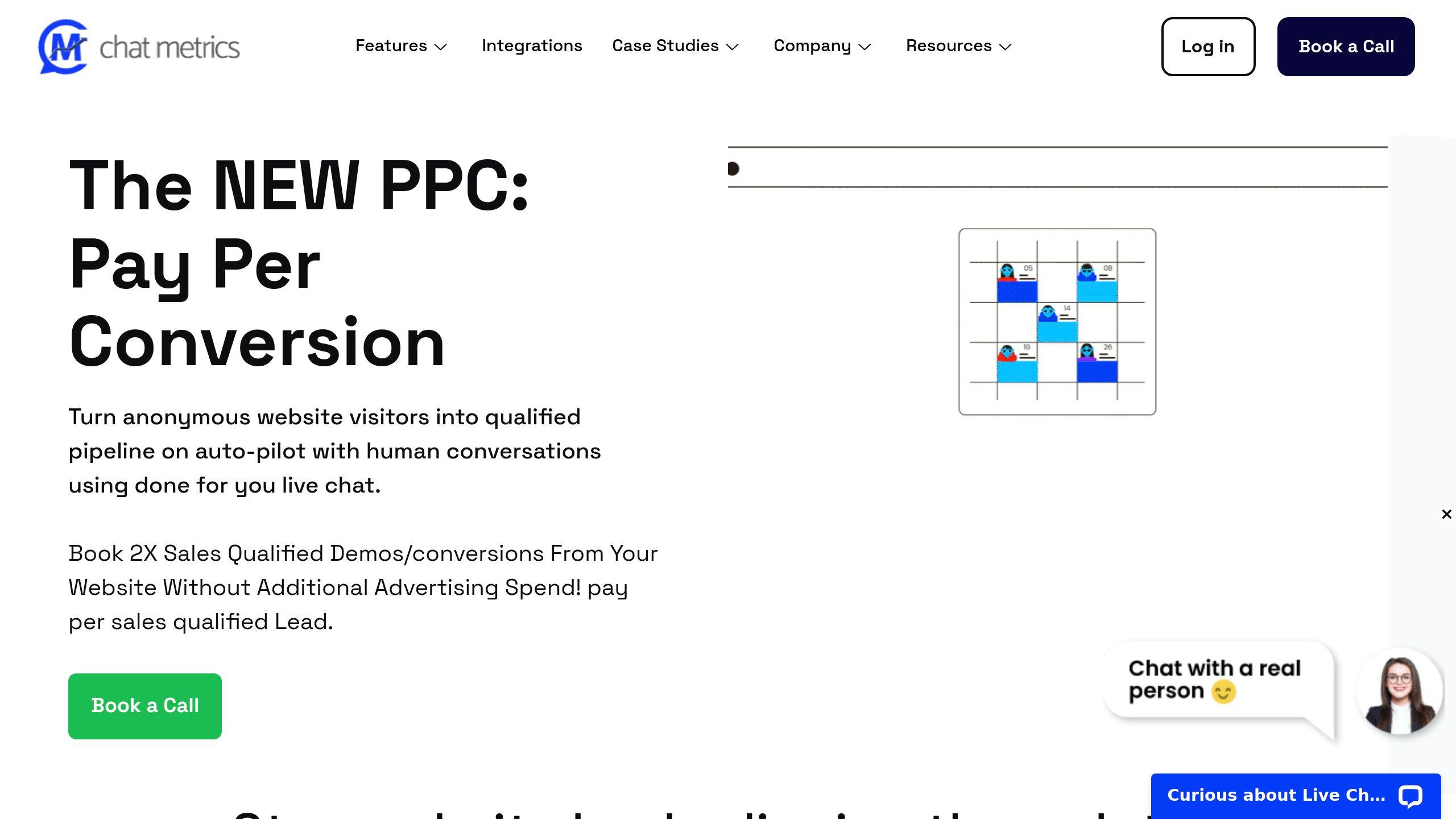
ChatMetrics.com demonstrates how modern chat platforms can integrate emotional intelligence into customer interactions. This service offers a structured way for agents to build meaningful relationships with customers while automating technical tasks.
The platform uses AI-powered training modules to strengthen emotional intelligence skills, focusing on:
| Training Component | Key Benefits |
|---|---|
| Real-time Feedback | Helps agents adjust their communication style and improve self-awareness instantly. |
| Scenario Simulation | Prepares agents to empathize and effectively manage emotional situations. |
| Performance Analytics | Provides insights to improve social skills and enhance customer satisfaction. |
With 24/7 support, ChatMetrics.com ensures agents consistently apply emotional intelligence principles. Additionally, automated lead qualification and CRM integration free up agents to concentrate on understanding and addressing customer emotions.
Benefits of Managed Chat Services
Managed chat services combine AI with human expertise to effectively build emotional intelligence. This approach provides several key benefits:
- Continuous Learning: AI tools paired with human guidance create an environment for ongoing skill improvement, offering real-time feedback and actionable insights [2].
- Consistent Quality: Standardized processes ensure emotional intelligence is applied uniformly, reducing training time and costs while maintaining high service standards [1].
Conclusion and Actionable Insights
Why Emotional Intelligence Matters
Emotional intelligence plays a key role in live chat interactions. It helps strengthen customer relationships, boosts agent performance, and positively impacts outcomes like satisfaction and conversion rates. By applying these principles consistently, agents can connect with customers on a deeper level while maintaining professionalism.
How B2B Companies Can Start
To put emotional intelligence into practice, B2B companies can follow these steps:
- Evaluate Current Skills: Determine where your team excels and where improvements are needed to guide training efforts.
- Provide Focused Training: Use tools like role-playing, AI-driven feedback, and coaching to build empathy, self-awareness, and communication skills.
- Monitor and Adjust: Measure results through metrics like customer satisfaction and agent engagement, then use analytics to refine your approach.
Regularly updating training programs ensures agents are ready to meet changing customer expectations. AI tools and managed chat services can simplify this process, offering scalable solutions for businesses.
For emotional intelligence initiatives to succeed, it’s essential to create an environment that supports ongoing learning and development. Managed chat services, blending AI with expert coaching, can help deliver emotionally intelligent customer interactions while cutting down on training time and operational costs [1][2].
FAQs
What are the skills required for chat support?
To train chat agents in emotional intelligence effectively, it’s crucial to understand the key skills needed for top-notch chat support. These skills blend technical know-how with strong communication abilities:
| Skill Category | Key Components | Impact |
|---|---|---|
| Technical | Fast typing, multitasking, platform expertise | Quicker responses, improved efficiency |
| Communication | Clear writing, positive tone, active listening | Builds rapport, ensures clarity |
| Emotional Intelligence | Empathy, self-awareness, regulation | Fosters trust, strengthens connections |
Beyond these core skills, successful chat agents often rely on advanced techniques, such as:
Improving Communication:
- Adjusting communication style to match customer preferences
- Using cues that show active listening
- Simplifying language for customers from diverse backgrounds
Managing Performance:
- Staying calm under pressure
- Balancing efficiency with a personal touch
- Continuously improving through feedback
For businesses, managed chat services offer an easy way to access agents who are already skilled in these areas, ensuring high-quality customer interactions with a focus on emotional intelligence.